


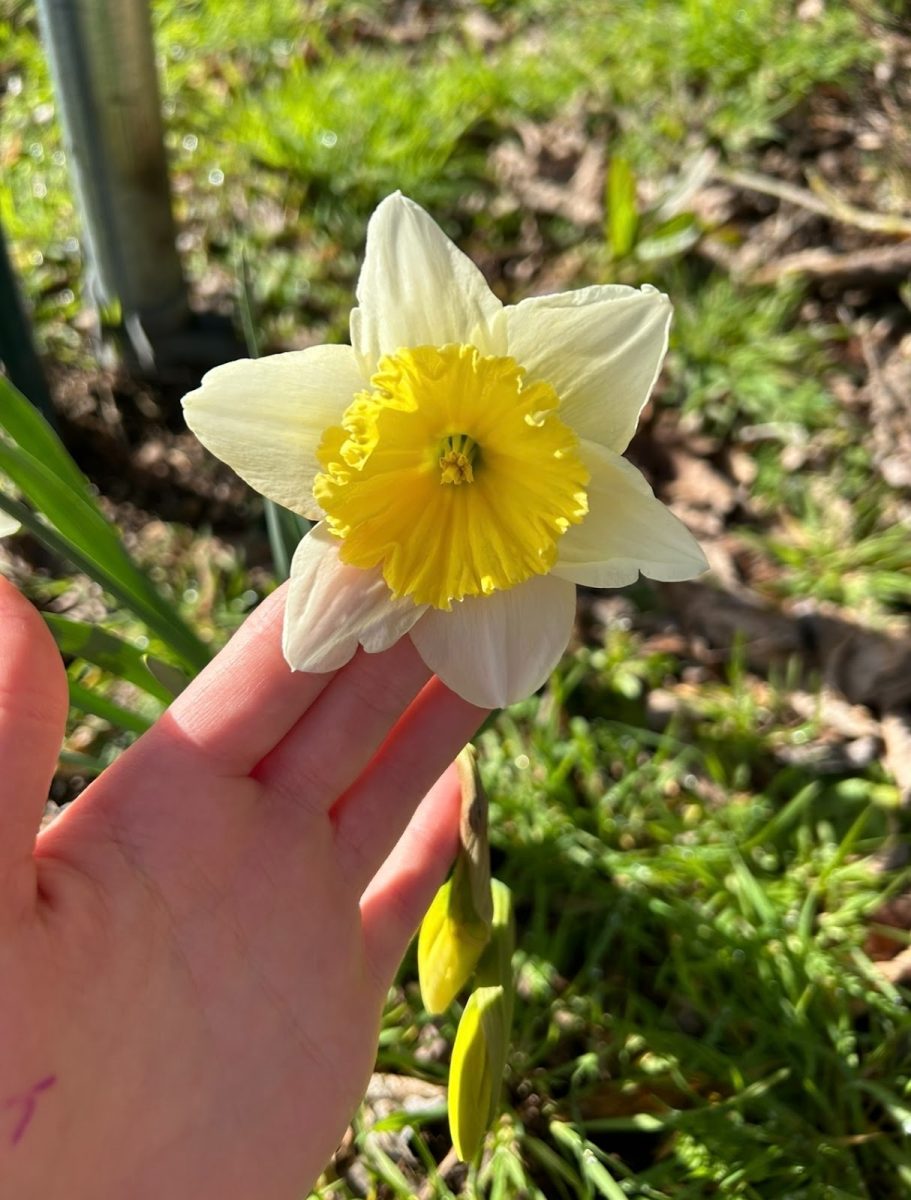
Spring has officially begun in the Northern Hemisphere, marked by the March equinox on March 20, bringing longer days, warmer weather, and the start of a new season.
During the March equinox, the sun is positioned directly above Earth’s equator, which is why day and night are nearly equal in length worldwide. After this point, daylight hours increase across the Northern Hemisphere, leading to more sunlight and gradually warmer temperatures. This shift helps drive changes in weather and signals and transition out of winter. “My favorite thing about spring is seeing nature starting anew”, said Yuiry Pankratova, “and serves as a reminder that the year is still new and each year I grow older”.
Across the Northern Hemisphere, the arrival of spring brings visible changes in nature. Trees begin to bud, flowers bloom, and animals become more active. Farmers and gardeners use this time to start planting crops, since longer days and milder weather create better growing conditions. “I have noticed that spring affects my daily life whenever the sun comes out”, said Alla Pankratova. “Once the sun comes out, motivation to go outside and do something hits you, and when it is pouring rain you just want to stay home and do nothing”.
The equinox was especially important to ancient civilizations who carefully tracked the Sun and built structures like El Castillo to align with the equinox. During this time, shadows create the appearance of a serpent moving down the pyramid, which was linked to their beliefs. Other cultures, such as the Ancient Egyptians and Ancient Persians, also used seasonal changes to guide agriculture and mark important celebrations like the Persian New Year.
Today, the March equinox is still significant both scientifically and culturally. It helps scientists understand Earth’s movement in space and continues to mark a time of renewal and new beginnings. From ancient traditions to modern day life, the start of spring remains an important moment that connects people to nature and the passage of time.